
1. It’s Not Required by Law — But Skipping It Would Be a Costly Mistake
California doesn’t legally require a home inspection for residential sales. Despite that, about 90% of San Diego buyers get one anyway. Once you understand the numbers, it’s not hard to see why.
A professional inspection typically runs between $525 and $700. That’s the fee you pay to get a detailed look at a home that could cost you $15,000 for a new roof, $6,000 for an HVAC replacement, or far more if there’s something seriously wrong with the foundation. Framed that way, the inspection isn’t an expense — it’s cheap insurance.
There’s also a practical layer of protection built into most contracts: about 75% of California purchase agreements include an inspection contingency. That clause gives you the right to walk away — or renegotiate — if the inspection turns up something significant, without losing your deposit. That’s real leverage, and it starts with actually getting the inspection done.
2. Your Inspector Won’t Care About the Ugly Stuff — And That’s the Point
If you walk through a home and immediately fixate on the outdated backsplash or the scuffed hardwood floors, you’re looking at the wrong things. Under California Business and Professions Code 7195(b), home inspectors are specifically focused on systems and structural components — not cosmetics. “Style or aesthetics” are explicitly excluded from their scope.
What that means in practice: your inspector isn’t there to tell you the kitchen needs updating. They’re there to tell you whether the electrical panel is a fire hazard, whether the water heater is near the end of its life, or whether there’s moisture getting into the walls somewhere it shouldn’t be.
Cosmetic issues are real — and you can factor them into your offer — but they won’t make the house unsafe. A cracked heat exchanger will. A faulty panel will. Those are the findings worth focusing on, and a good inspector working to CREIA or InterNACHI standards will make sure you don’t miss them.
3. The Seller’s Disclosure Isn’t the Same as an Inspection — Not Even Close
A lot of first-time buyers assume that because the seller filled out a disclosure form, they already know everything relevant about the home. That’s not quite how it works.
There are actually three separate layers of information you’ll receive during escrow, and they cover very different ground:
The Seller Disclosure is based on memory. Sellers share what they know — past repairs, known issues, things they’ve noticed over the years. But memory is imperfect, and sellers often don’t know what’s happening inside their walls or under their floors.
The Agent Visual Inspection Disclosure (AVID) is your agent’s written record of what they observed during their walkthrough. California law limits what agents can do here — they can’t use ladders, test appliances, or open up access panels. They’re observers, not testers.
The Home Inspection is where objective assessment comes in. A certified inspector uses actual tools — moisture meters, circuit testers, ladders — to evaluate the working condition of the home’s systems. They find things neither the seller nor the agent would catch.
In older San Diego neighborhoods where homes have been modified, added onto, or just aged through decades of coastal weather, that third layer often makes all the difference.
4. For Older Homes, a Standard Inspection Is Just the Starting Point
If you’re looking at homes in North Park, Mission Hills, South Park, or similar neighborhoods, you should know that the standard inspection — thorough as it is — doesn’t cover everything. Older properties in San Diego often need a few targeted add-ons to give you the full picture.
Sewer scope is the big one. Homes built before 1980 frequently have original cast iron or clay drain lines that are decades past their expected lifespan. A camera inspection of the sewer lateral costs $250–$550. Finding a collapsed pipe during escrow means you can negotiate. Finding it after you move in means you’re writing a check for $8,000 or more. It’s not a glamorous item, but it’s one of the highest-value add-ons you can get.
Termite and Wood-Destroying Organism (WDO) inspection matters more here than in many other parts of the country. The climate is ideal for termites year-round, and dry rot is common in older wood framing and exterior elements. This inspection is required for VA loans, but it’s worth doing regardless of how you’re financing.
SB 721 compliance applies if you’re buying a condo or multi-unit property. California law requires inspection of exterior elevated elements — balconies and decks — every six years. Make sure any property you’re considering has current documentation.
Roof certification is worth requesting for coastal properties especially. Salt air, UV exposure, and periodic heavy rain put real wear on roofing materials, and a curbside glance doesn’t tell you much. Ask for ladder or drone access to get an honest picture of what’s up there.
5. Reading the Report Later Isn’t the Same as Being There
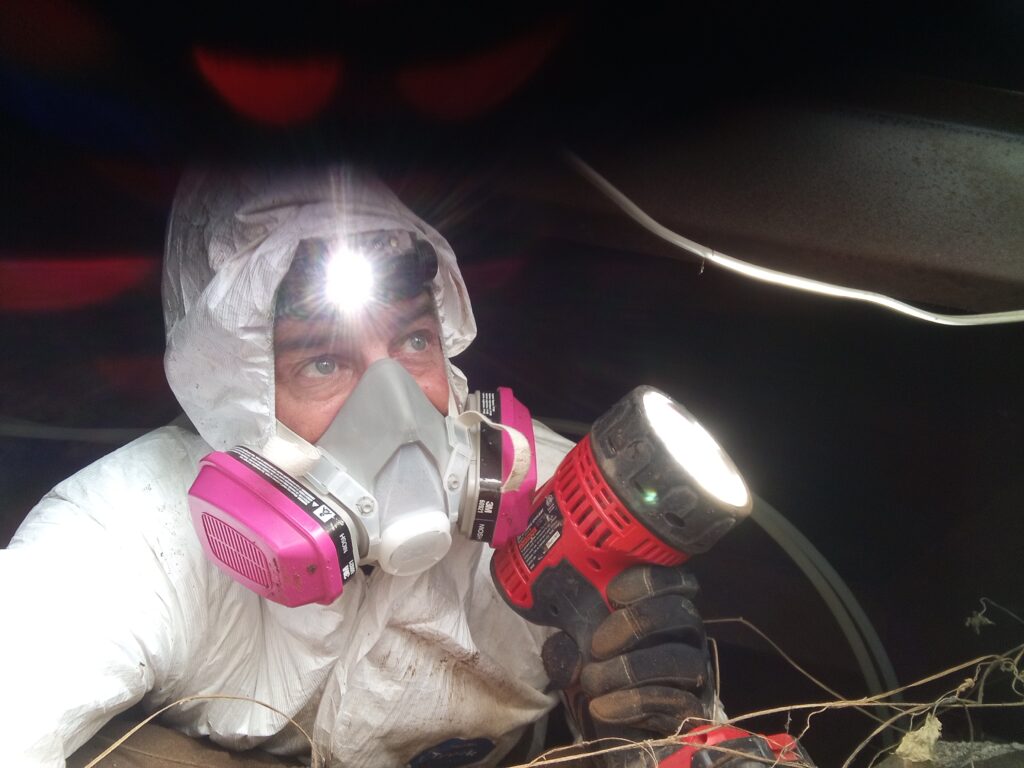
You’ll receive a detailed digital report after the inspection — photos, notes, condition ratings, the works. It’s useful, but it’s not the same as being present for the inspection itself.
When you’re on-site, you can ask questions in real time. A photo of a hairline crack in the foundation can look alarming in a PDF. Hearing an inspector explain in person that it’s consistent with normal settling — and show you why — gives you a completely different understanding than staring at the same image at home that night.
Try to arrive for at least the last hour or so of the inspection. That’s typically when the inspector does their walkthrough summary, and it’s your best chance to understand which findings are genuinely serious and which ones are routine maintenance items. That distinction matters a lot when you’re deciding what to ask for in negotiations.
One note on sellers: it’s generally better for everyone if they’re not present during the buyer’s inspection. It’s not personal — it’s just that having the seller in the room tends to make things more emotionally charged and can complicate what should be a straightforward professional assessment.
What It All Adds Up To
A home inspection isn’t there to scare you out of buying — most of the time, findings are manageable and expected. What it does is give you accurate information before you’re fully committed, so you can negotiate from a position of knowledge rather than hope.
In a market like San Diego, where homes regularly cross the million-dollar mark, spending a few hundred dollars to understand exactly what you’re buying is one of the easier decisions you’ll make in this process.